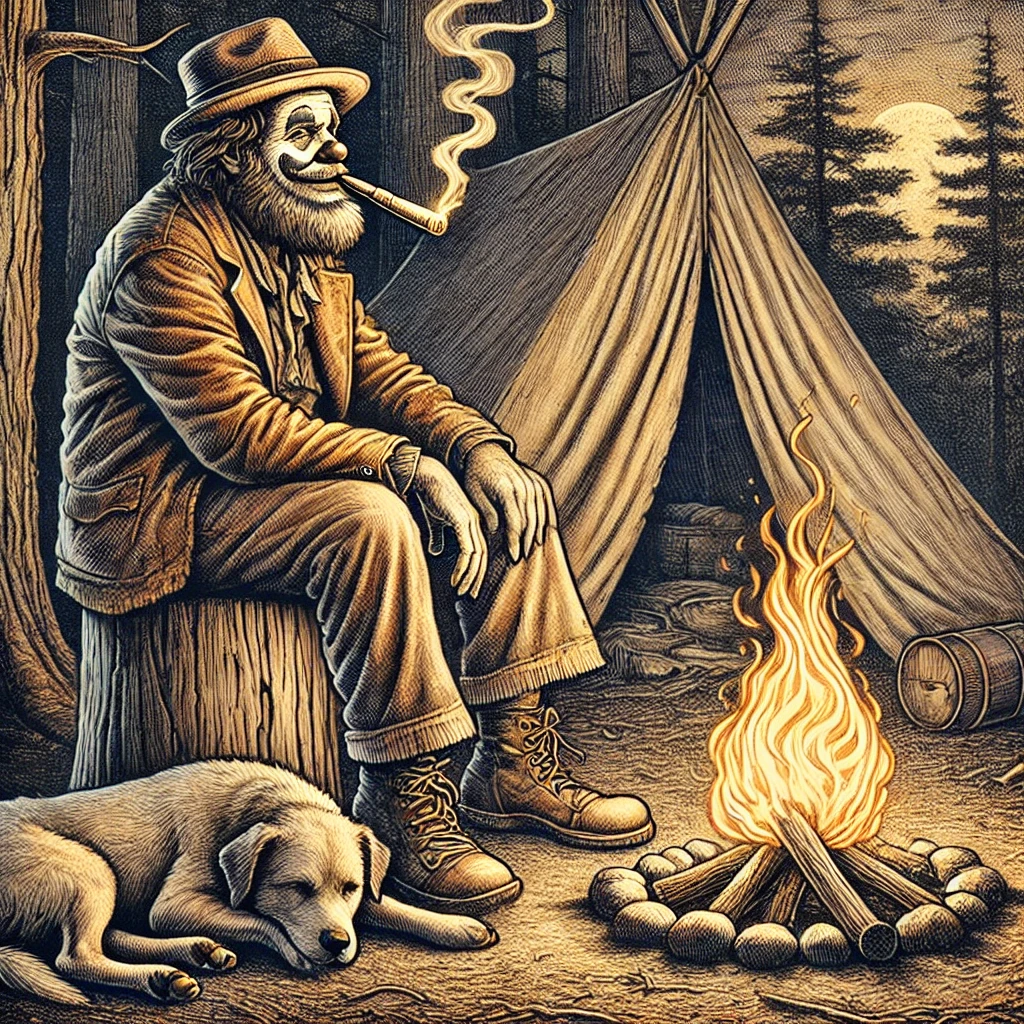
Clowns have a rich and complex history, originating in ancient cultures as jesters and comedic figures who used satire to entertain and critique authority. In medieval Europe, court jesters played a dual role of entertaining royalty while subtly exposing societal flaws through humor. The modern clown as we recognize it today took shape in the 19th century, with figures like Joseph Grimaldi in England and the rise of circus clowns.
Over time, clowns have come to symbolize both joy and disruption, embodying the contradictions of human existence. Today, clowns are often seen as representations of the marginalized—those who exist on society’s fringes, using humor and absurdity to challenge norms and highlight inequities. Their exaggerated personas and physical comedy can evoke laughter while also exposing truths about the human condition, making them enduring symbols of resilience and critique in the face of adversity.